‘If it’s held dear, it’ll get pushed through’: Transmedia narratives, play cultures, and soft canon in tabletop role-playing games (TTRPGs)

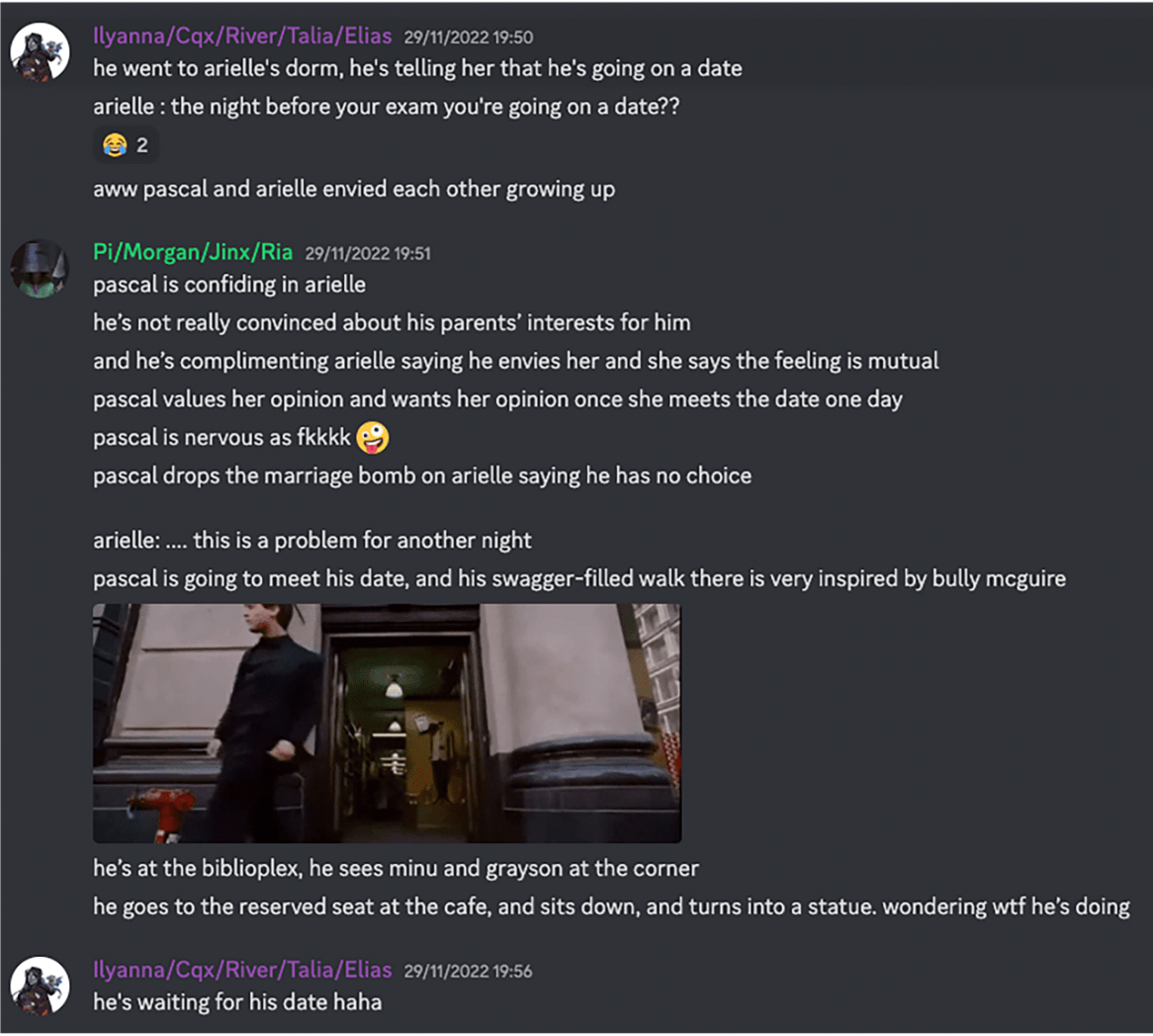
Transmedia storytelling is a strategy adopted by media franchises and brands to create participatory story-worlds for their consumers; it incorporates a range of forms, actors, and texts, all of which have varying degrees of narrative authority in determining the events that occur. This article focuses on tabletop role-playing game Dungeons & Dragons to show how play cultures in Singapore are shaped by transmedia storytelling techniques. In doing so, it makes two contributions to existing research: first, it shifts scholarly focus from game texts to player practice, showing how communities of play are created through players’ emergent usage of transmedia storytelling techniques. Second, it describes a player practice of soft canon, which I theorise as an approach to shared world-making that prioritises the emotional resonance of narrative details over a positivist accounting of narrative events. The concept of soft canon reveals a new perspective on how communities create and sustain intersubjectively imagined worlds.

Published open-access in the International Journal of Cultural Studies. This is an ethnographic exploration particularly dear to my heart as a long-time dweller in fandom and transformative works!

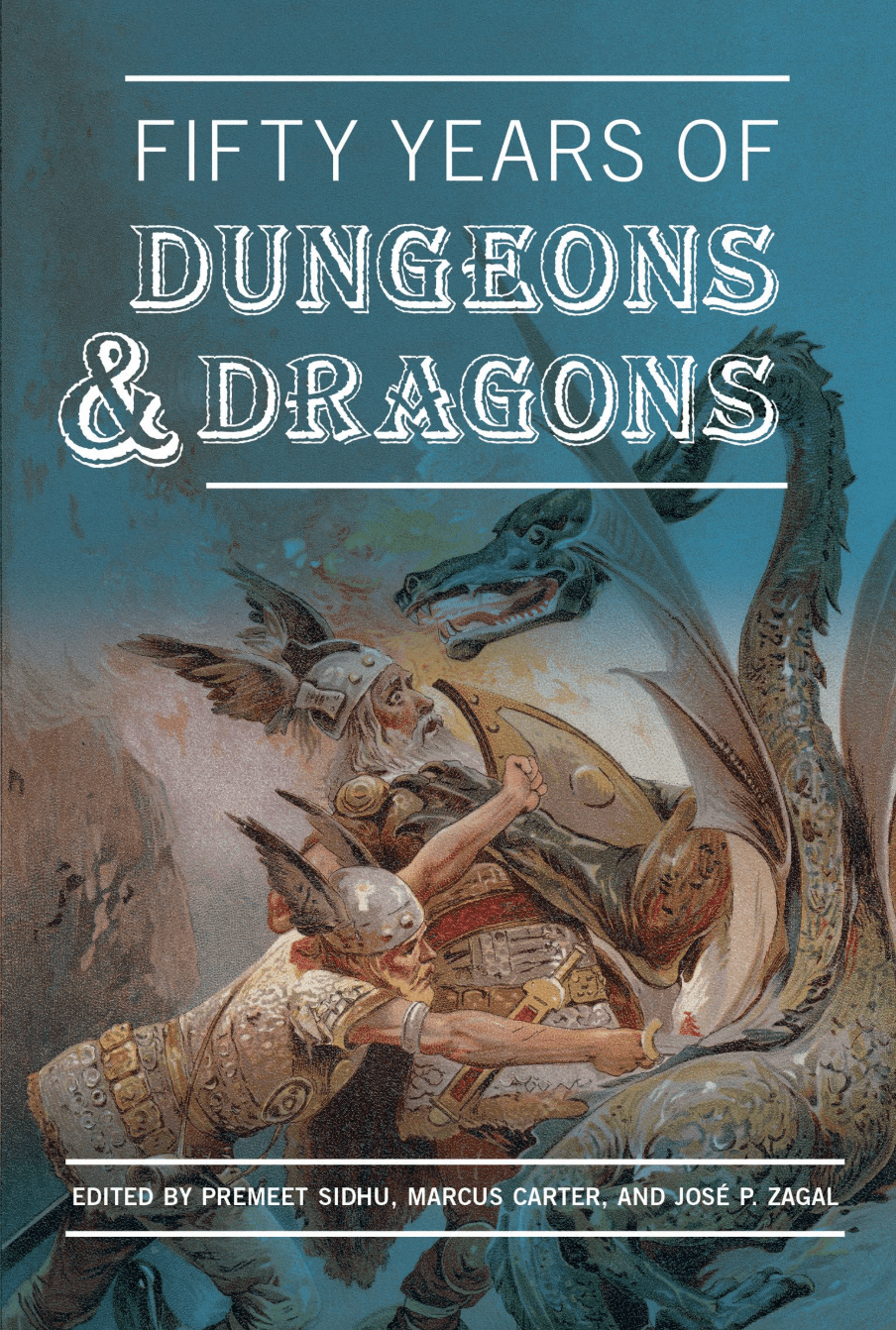
Fifty Years of Dungeons & Dragons

Beyond the material constitutions of play spaces and the social compositions of the play community, how do D&D games in Singapore deal with Western fantasy? Racial histories are interconnected, but not identical, and race as reflected in the mirror of Western fantasy does not map neatly onto Singapore or to other parts of Southeast Asia. Even within Southeast Asia, Singapore itself occupies an uneasy position in relation to its geographical neighbors. As a Chinese majority country, Singapore’s policies and everyday politics, as mentioned earlier, racialize and disenfranchise poorer brown bodies, whether its own citizens or the million migrant laborers from India, Indonesia, Bangladesh, and the Philippines who work in the construction or domestic work sector.

With this in mind, answering the question of how D&D is localized or transformed through an Asian context is difficult. To work through the questions in turn, one first asks: What constitutes Singaporean fantasy? What is considered canonical and influential in the way that we think about Singaporean imaginings of the nonmimetic, a world of otherwise? How, and should we, excerpt Anglophone Singapore from its position within the Southeast Asian region, keeping in mind the constructed nature of the nation-state—and even the region—as a project of imagined community?

I have a chapter included in a wonderful collection of works edited by Premeet Sidhu, Marcus Carter and Jose P. Zagal that deals with this topic, published by MIT. Very happy to have been included, of course, and to discuss D&D play cultures in Singapore!

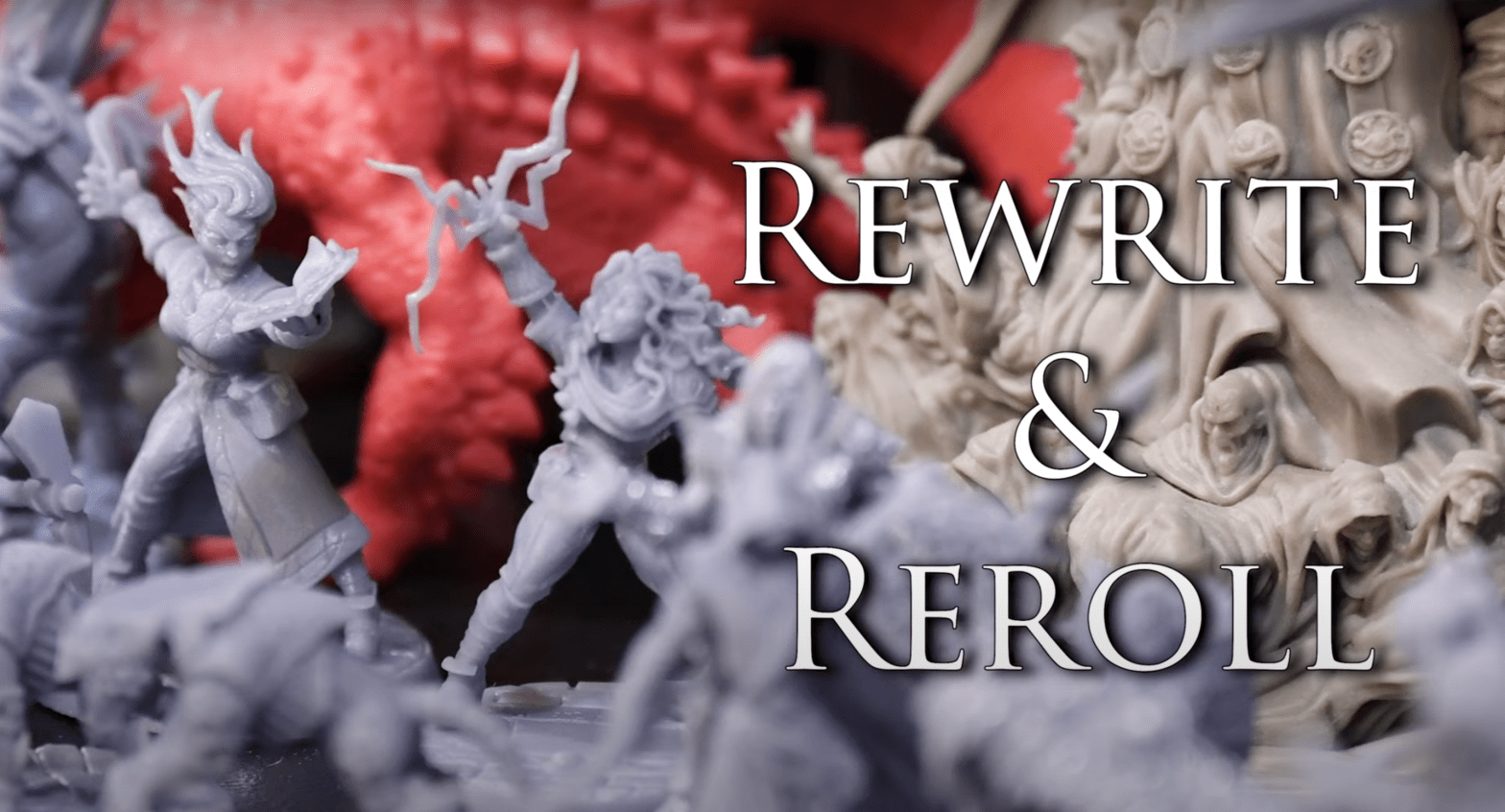
Rewrite & Reroll

A group of Singapore-based students from NTU’s Wee Kim Wee School of Communications have been busy these past months putting together a short documentary focusing on D&D in Singapore. It’s finally out! The documentary is truly a labour of love on a topic that’s clearly compelling to many. (It’s a pleasure seeing so many familiar faces in it, too!)

In their words:

This documentary follows our filmmaking journey into the local scene of the hit tabletop roleplaying game, Dungeons & Dragons (D&D). From understanding its origins and significance for Singaporean D&D players, we explore if such a euro-centric medium could be modelled into something familiar for Asian players. Through special interviews with professional dungeon masters and renowned writers in the creative gaming scene, we learn about the efforts taken and the obstacles faced to challenge a euro-centric genre and establish a new foundation for new Dungeons & Dragons’ stories ahead, and maybe even, the genre of fantasy as a whole.

Dop, Written, Directed, Edited by: Nur Sarah Jumari
Produced by: Ngor Cheng En
Assistant DoP: Lim Mei Pei

Defamiliarising D&D: Playing out Western fantasy in Singapore

I was fortuitously invited by Premeet Sindhu, Marcus Carter, and Jose Zagal to contribute a chapter to 50 Years of D&D, an upcoming book that will be published in early 2024 by MIT Press. In this chapter I sketch out Singapore’s engagement with Western fantasy through playing D&D. Here are some short snippets from my contribution:

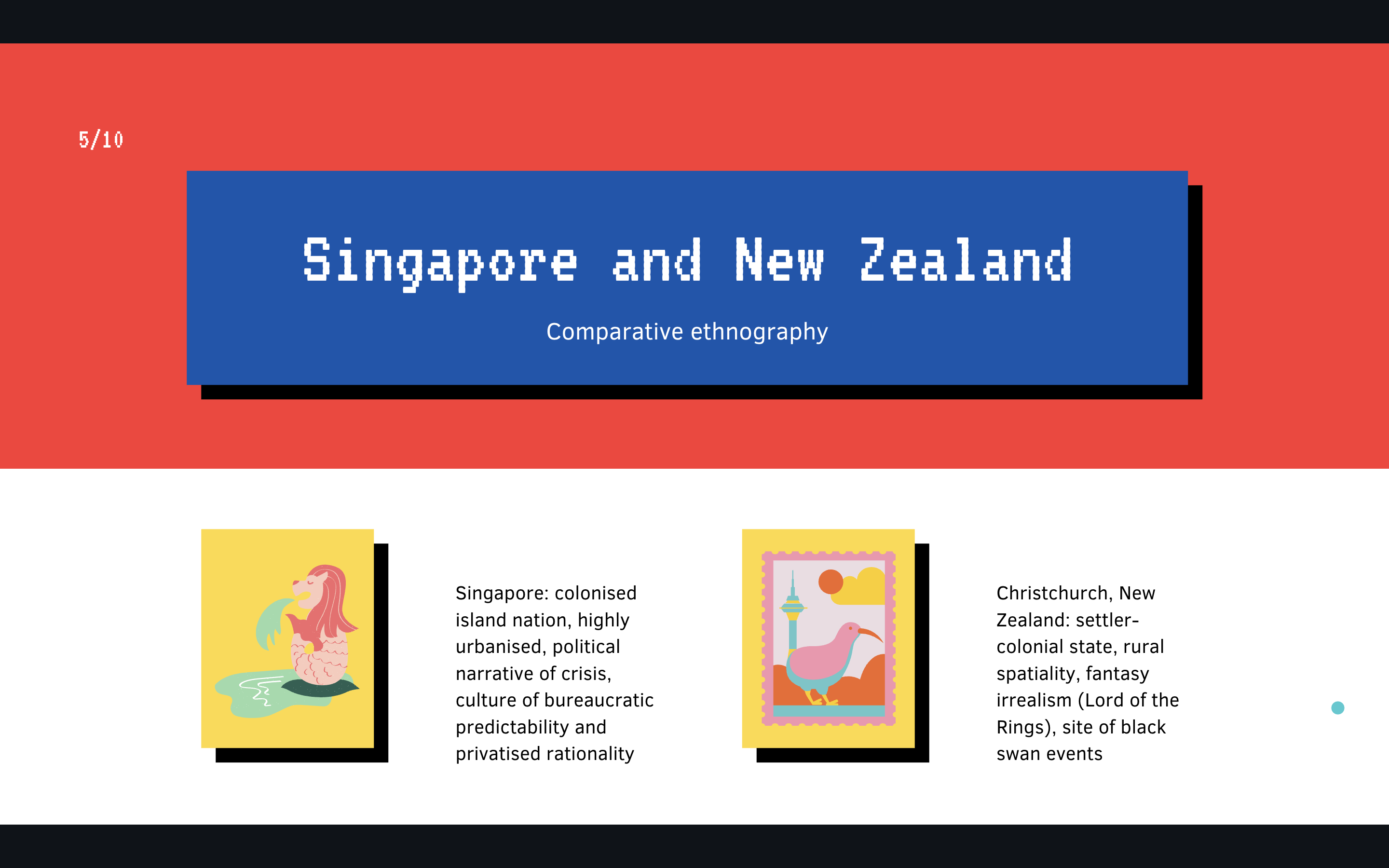
This chapter looks at how D&D is being played and being played with in the island-nation of Singapore, a highly urbanised city metropolis home to 6 million individuals, by offering a brief, unavoidably partial history of Singapore’s tabletop role-playing scene. Singapore, briefly: situated in Southeast Asia; an ex-British colony; wealthy, globalised, and highly connected; and home to the largest Chinese majority population in the world outside of China mixed with diverse Indian, Malay and other indigenous Southeast Asian racial identities that are the legacy of Singapore’s long history as a trading entrepot. In Singapore, the experience and making of a white Euro-American world is experienced through a prism of class, gender, and race in a context that strays far from the young American men who played D&D in a police clubhouse in the 1970s (Fine 2002). I pay special attention to sites of play, the influence of actual play shows, the effect of colonial language policies, and nostalgia in the making of imaginary worlds in D&D. I also feature the bespoke tabletop role-playing studios active in Singapore in the 2020s and homebrewed D&D games which incorporate the Chinese genre of wuxia.

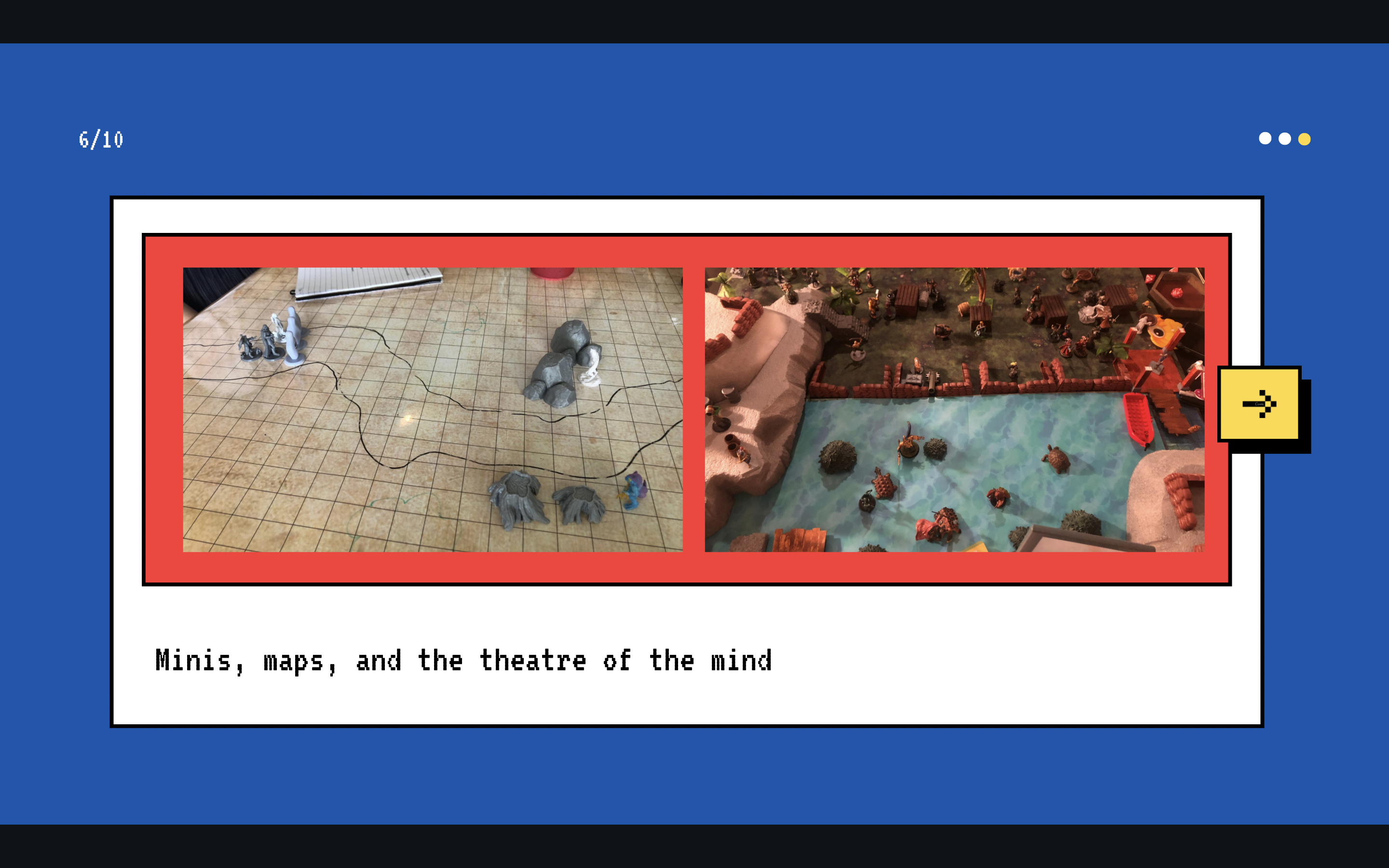
The relationship of Southeast Asians to the legacy of empire shimmers through game experiences in ways that are dissimilar from the perspectives and experiences of the Asian diaspora worldwide. Role-playing games, as fleeting and unwitnessed forms of creative authorship, can serve as indexes of social and cultural transformations as everyday sites of emergent narrative-making. Their transient and unrecorded nature also allows subaltern commentaries to take place beyond the public archive. Using ethnography to extend analyses of race beyond the text of the game book, as this research does, permits us to observe the quickly evaporating realities of playing the text as a game. It permits us to understand the disjunctures, fractures and dissonances that characterise Singaporeans’ relationship with D&D and other TTRPGs in ways that play reports and homebrewed materials cannot. Additionally, an emphasis on the material realities of the game coheres with the spatial realities and leisure expectations characteristic of Singapore, emphasising that where we play is also critical to how we play—and also that the game we strive to play rearranges the material constitutions of the conventional “table top” in TTRPGs.

[…]

With this in mind, answering the question of how D&D is localised or transformed through an Asian context is difficult. To work through the questions in turn, first, one asks: What constitutes Singaporean fantasy? What is considered canonical and influential in the way that we think about Singaporean imaginings of the non-mimetic, a world of otherwise? How, and should we, excerpt Anglophone Singapore from its position within the Southeast Asian region, keeping in mind the constructed nature of the nation-state—and even the region—as a project of imagined community? In his essay coining the term “spicepunk”, speculative fiction author Ng Yi-Sheng asks the same questions, pointing out the erasure of seafaring Southeast Asia from the world stage in favour of fantastical imaginations of Chinese bureaucratic empires (Ng 2022). Part of the difficulty of establishing Southeast Asian fantasy as a genre is also the marginalisation of non-English languages and the loss of local accounts of history and social life from Southeast Asia as a consequence of colonial violence. The writers of The Islands of Sina Una, a critically acclaimed D&D 5e supplement that offers races, subclasses, and settings based on precolonial Philippines, reflect astutely how historical accounts on the Philippines are “filtered through the colonial machinery and non-Filipino perspectives, which renders the ‘truth’ they present as relative to the authors’ own biases” (The Islands of Sina Una 2020, 323). In short, Southeast Asian fantasy is read and circulated by a niche group of readers, and knowledge of Southeast Asian fantasy is not detailed amongst the gamers that I have met. Even in formal education, students earn qualifications such as the UK-administered GSCE “O” and “A” Levels, which is more likely to centre around British and American literature or Asian realist fiction. So if a D&D player in Singapore wants to play or create an Asian D&D game, where do they look?

Image credit: The amazing Charsiewspace, who offers Southeast Asian RPG art for free usage–thank you and PLEASE check out their work!
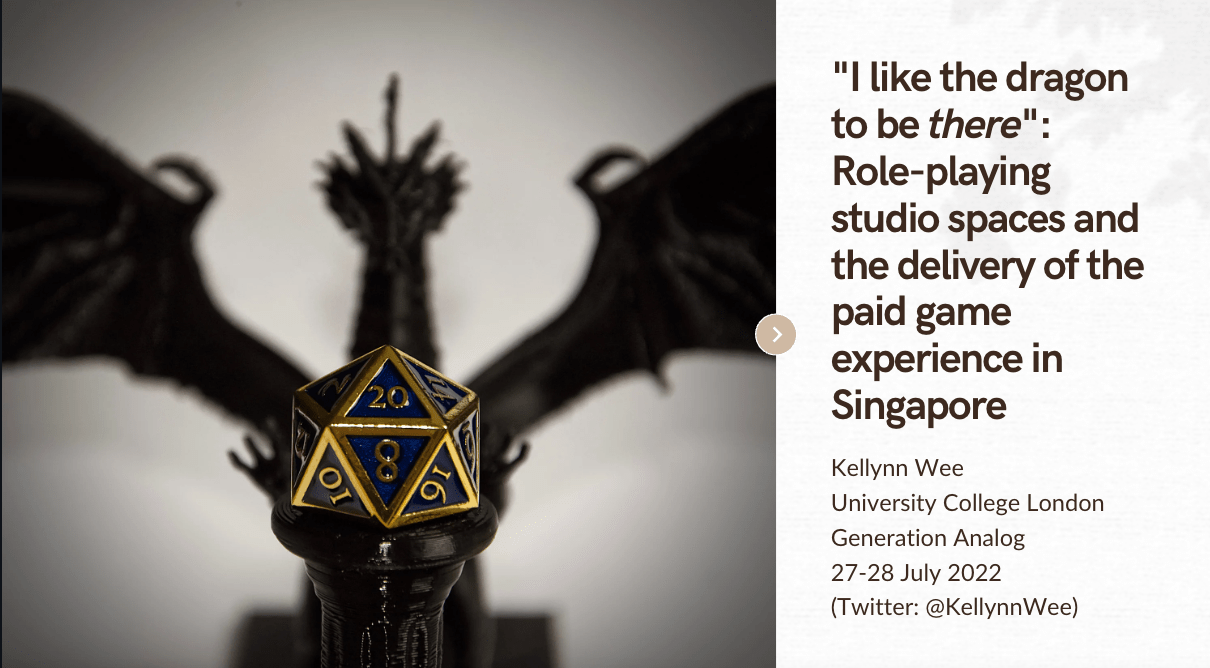
“I like the dragon to be there”: Role-playing studio spaces and the delivery of the paid game experience in Singapore

I presented this at the superfun Generation Analog 2022: Space and Materiality, which turned out to be one of my favourite virtual conference experiences ever–there’s nothing quite like nerds fluent in Discord chatting unstoppably on a channel about games. Every talk I listened to was enthralling and fun and inspired lots of continued thinking.

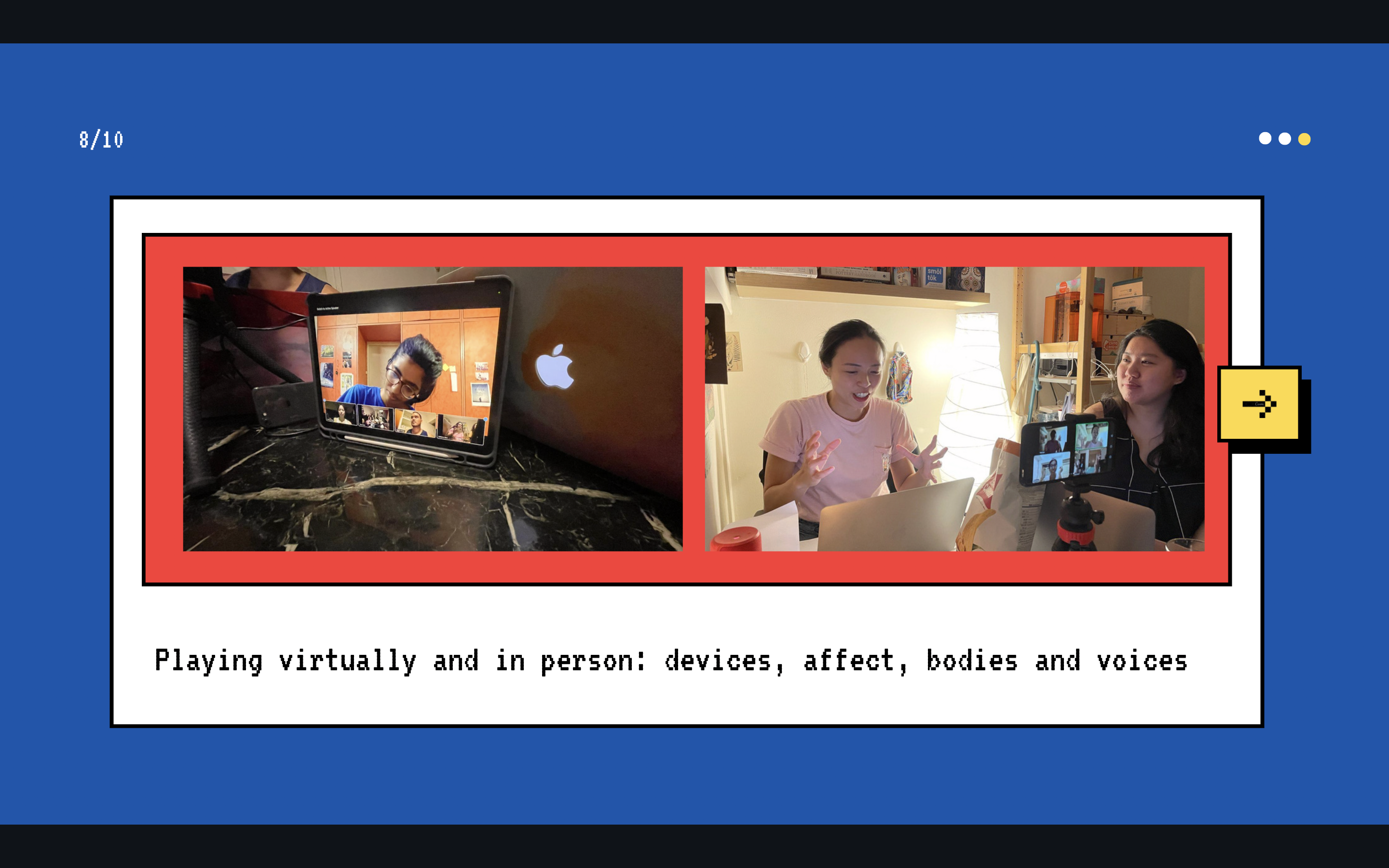
In this paper, I look at how the material environments of TTRPGs extend beyond the domestic environment of the home game by focusing on the sites of TTRPG studios in Singapore, where players pay a premium to enjoy a D&D experience run by professional game masters (GMs). I focus on material elements of the D&D game that are fuzzier, more permeable, and more atmospheric in nature: light and sound. By drawing together these two areas of analysis, I show how the material environments of TTRPG studios are engineered to quickly position players as fateful agents. This is to broaden and solidify their player base as studios seek to make their businesses viable. It also serves a secondary purpose: to scaffold the experience of tabletop roleplaying games for new players interested in the game in the wake of its popular culture resurgence, especially in the context of play-starved Singapore, where gamers must learn how to play.

The slides can be found here and the talk is publicly available, as below, which really covers only a fraction of my paper.

Homebrewing Asia: How D&D in Singapore is remaking Western fantasy

I talked to two DMs of homebrewed worlds in Singapore about how they’re remaking D&D from its Tolkien/American midwest origins. I thought I’d get answers about how we make D&D Asian, but I was spellbound instead as we stalled on questions of what being Asian even means. This article was published on both The Homeground Asia and The Anthropolitan.

“D&D isn’t a history lecture. There’s something magical when things are mundane. Like, it’s not special that there are temples or shrines: it’s just another thing between you and where you’re going. Or it’s not special that everyone in this world is a mongrel, and that very few characters are ‘pure-blooded’. It’s reflective of our world, where we are defined by generation upon generation of migration.”

Ramji Venkateswaran, DM of The 4th Culture

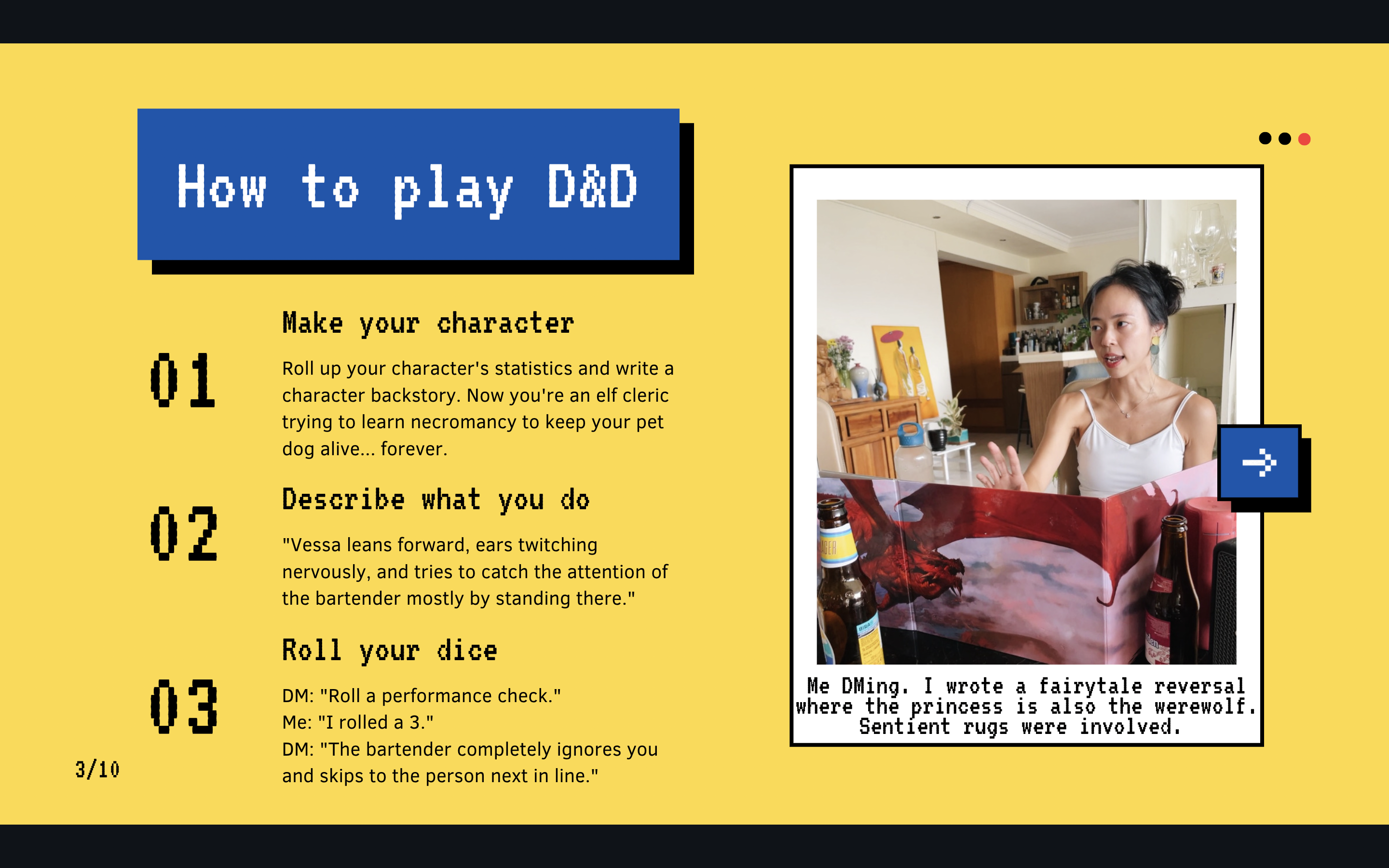
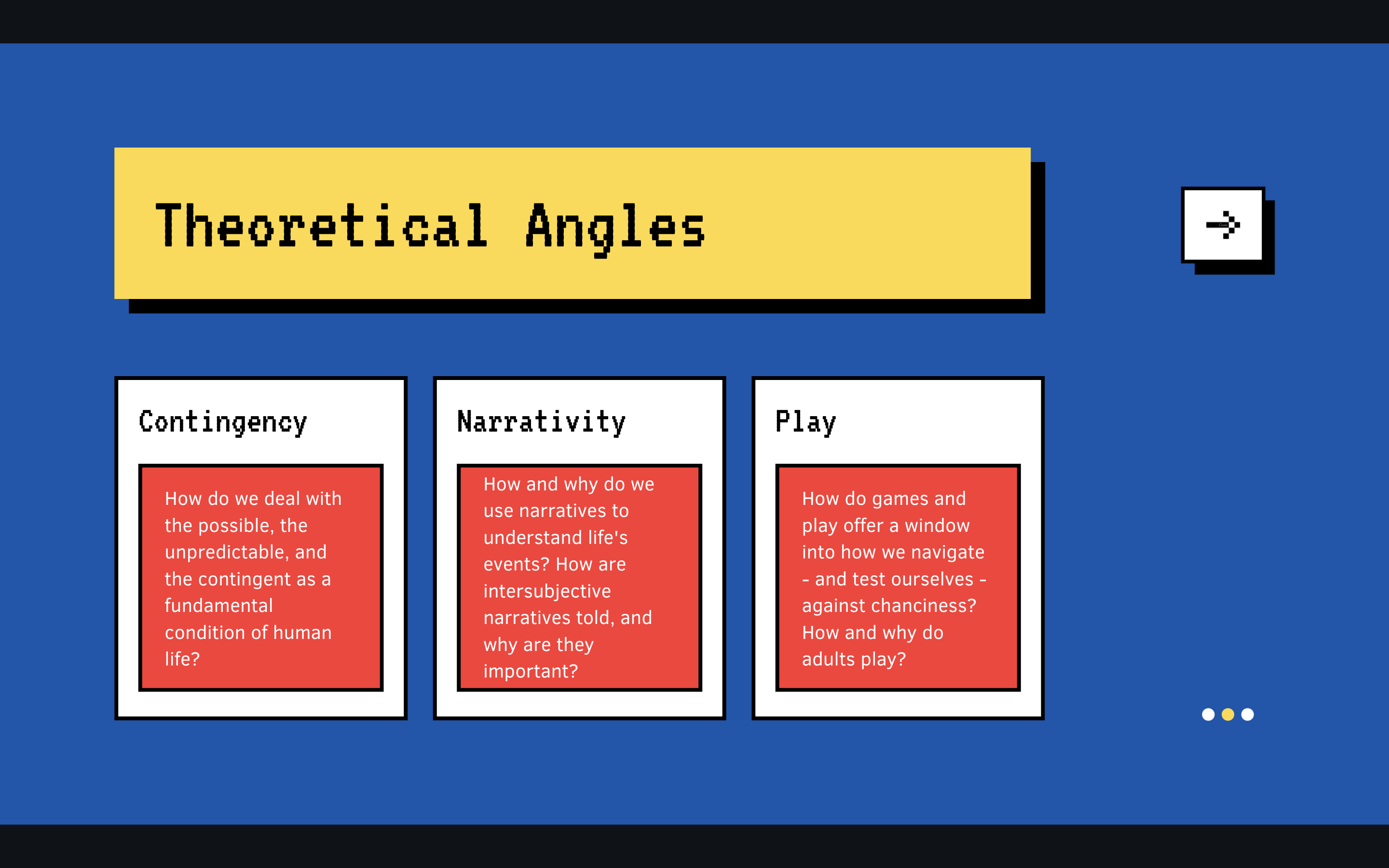
Narrativity, contingency and play in Dungeons and Dragons

I presented on my PhD project for University College London’s Material Culture Presentation Day on June 10. My supervisor thought there was not enough theory, but I felt there were not enough dragons (I am kidding, Danny!).

Slides as follows. There were lots of things I wanted to talk about (like solarpunk and wuxia D&D universes set in Singapore! Folks in New Zealand who take a ferry out to an island to play D&D in a lighthouse DM’d by a teenager!) but I was unable to do so, so it will just have to come out elsewhere.